

Solving the
Waste Crisis
Waste is becoming a global crisis, overwhelming landfills and turning material away, but MRG tackles this challenge through gasification—a cleaner, more versatile alternative to incineration that transforms waste into syngas, a valuable fuel for renewable energy, chemicals, and other sustainable solutions.
Project Overview
Metro Renewable Gas (MRG) is advancing a transformative waste-to-energy project that will turn today’s waste challenges into tomorrow’s clean energy opportunities. Designed with a modular, scalable approach, the facility will deliver lasting environmental and economic benefits while helping shape a more sustainable future.
-
Metro Renewable Gas is developing a greenfield waste-to-energy facility on a 12-acre site in Metro Vancouver.
-
Designed as a modular, containerized system, the facility enables efficient construction.
-
It will process approximately 600 tonnes of waste per day, converting it into 5,800 GJ/day of Renewable Natural Gas (RNG) — supporting Canada’s low-carbon energy goals.
-
An integrated Materials Recycling Facility (MRF) will recover up to 100 tonnes per day of metal and glass prior to processing.
-
Target commercial operation: Q4 2029.


How it
Works:
Gasification & Menthanation
A Proven Thermocatalytic Process

OMNI
Gasification
High-Temp Gasification
Waste converted into syngas

FeedStock Receiving & Preparation
MSW, RDF, Biomass C&D & Biosolids Prepared and conditioned
for conversion


Syngas
Production
CO, H₂ and CH₄ are
generated - Energy-rich gas stream created

Syngas Cleanup
Particulate & tar removal -Gas is cleaned and prepared for methanation

CO2 Capture
Management
CO₂ removed during gas upgrading and captured for use or storage - supporting low-carbon outcomes

WoodVESTA
Methanation
RNG Synthesis -Syngas converted into pipeline-quality methane
Pipeline-quality RNG ready for delivery

Conceptual rendering for illustrative purposes only.
Delivering Environmental and Community Impact
Landfill
Diversion
Methane
Reduction
Indigenous
Partnerships
Clean Energy
Production
Feedstock Sourcing Plan
MRG’s proposed feedstock plan prioritizes locally available waste streams, combining construction and demolition biomass, refuse-derived fuel, and biosolids to ensure a steady, reliable supply for continuous renewable natural gas production.

55%
Biomass Construction & Demolition (C&D)
Waste wood and organic materials from construction and demolition are considered biomass for energy making up 55% of potential feedstock source.
40%
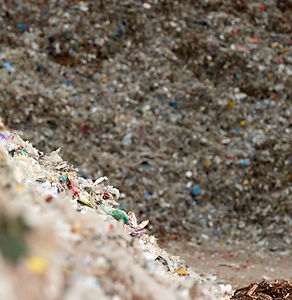
Refuse Derived Fuel
RDF is made from combustible, non-recyclable materials diverted from landfills making up 40% of potential feedstock source.
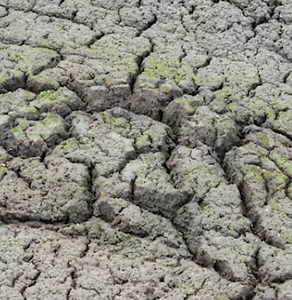
5%
Class A Biosolid
Treated organic by product from wastewater facilities, safely repurposed for renewable fuel making up 5% of potential feedstock source.
Gasification vs. Incineration
Gasification transforms municipal solid waste into energy and valuable chemical products without direct combustion. Using heat and a minimal amount of oxygen, it breaks waste into syngas—a clean fuel that can generate electricity or be used to produce fuels, chemicals, and fertilizers. Modern technology makes today’s gasification systems far more advanced, with improved controls, cleaner outputs, and proven track records.
In contrast, Incineration burns waste with large amounts of air, producing pollutants and ash that must be managed, making it a less clean and less versatile option.


Managing Cruise Ship
Waste
CruiseShip waste (international) is a complex, growing environmental concern.
Over 5,000 tonnes of international cruise ship waste are generated annually, with no sustainable disposal solution available through local or municipal systems.
As some ports consider turning away cruise ship waste, local processing solutions provide both environmental benefits and a reliable way to handle these challenging streams.

Regional Waste Contribution
Coquitlam 27%
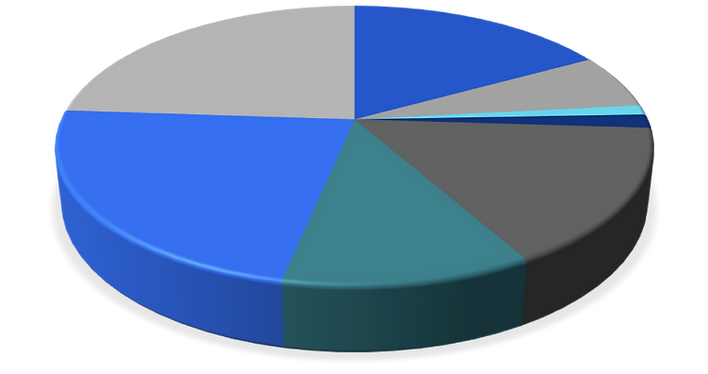
Vancouver 24%
Surrey 23%
Richmond 11%
Maple Ridge 2%
Delta 6%
Langley 6%
North Van 16%
-
The Vancouver landfill, located in Delta, is owned and operated by the City of Vancouver.
-
Serves Metro Vancouver: Vancouver region, Delta, Richmond, White Rock, University Endowment Lands, and parts of South Surrey.
-
Operates under a long-term agreement with Metro Vancouver and Delta, with operations planned until 2037, when ownership transfers to Delta.
-
Accepts Municipal Solid Waste (MSW) or black bag garbage, Construction & Demolition (C&D) materials, and recyclables.
-
Vancouver aims for zero waste by 2040, eliminating landfill and incinerator disposal.
The Delta landfill is projected to operate through 2050, reinforcing the need for long-term, scalable waste-to-energy solutions.